
Table of Contents
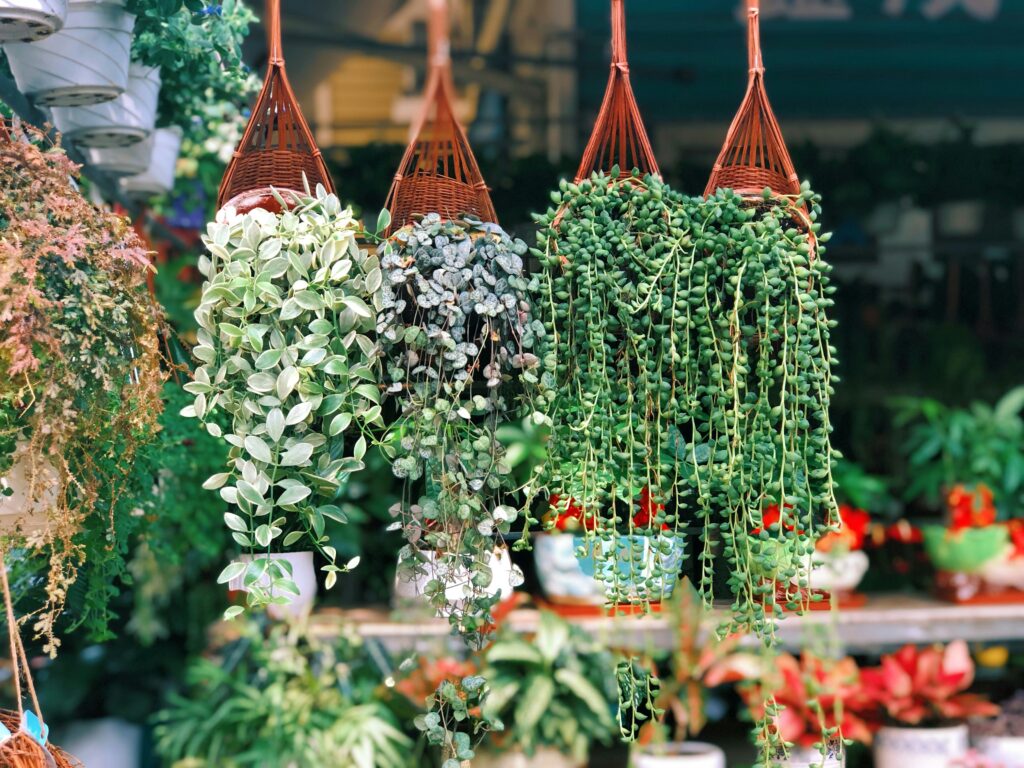
If you want to add greenery to your space but face limitations in terms of space and time, consider utilizing the vertical space to create a stunning hanging garden. Hanging plants are versatile; they not only enhance the aesthetic appeal of any area but are also easy to maintain, making them a perfect choice for urban gardeners. Here are the benefits of hanging plants:
Benefits of Hanging Plants
Space-Saving :Hanging plants allow you to bring greenery into your home without taking up floor space. You can utilize your balcony, window grills, or ceiling to display them.
Low Maintenance:These plants are simple to care for, making them perfect for anyone looking to grow plants effortlessly.
Cost-Effective:Many hanging plants can be easily propagated from cuttings, saving you money. You can often borrow cuttings from friends’ gardens instead of purchasing new plants.
Creative Display:Hanging plants provide the opportunity for creative arrangements. You can display them in various attractive ways, such as suspending groups of baskets at different heights or using kokedama (string gardens) and hanging terrariums for a classy look.
Natural Cooling :Hanging plants are an effective and natural way to cool indoor spaces.
Consider incorporating hanging plants into your space for a vibrant look and the benefits they bring!
Step-by-Step Instructions
1. What You Will Need
- Hand trowel.
- A pair of pruning shears.
- Hand gloves.
- Water can and spray bottle.
- Hanging planters or baskets.If using wire/cage baskets, a coco coir or moss liner is required.
- Lightweight potting mix or soilless potting mix.
- Plant saplings or cuttings.
2 .Choosing the Hanging Basket
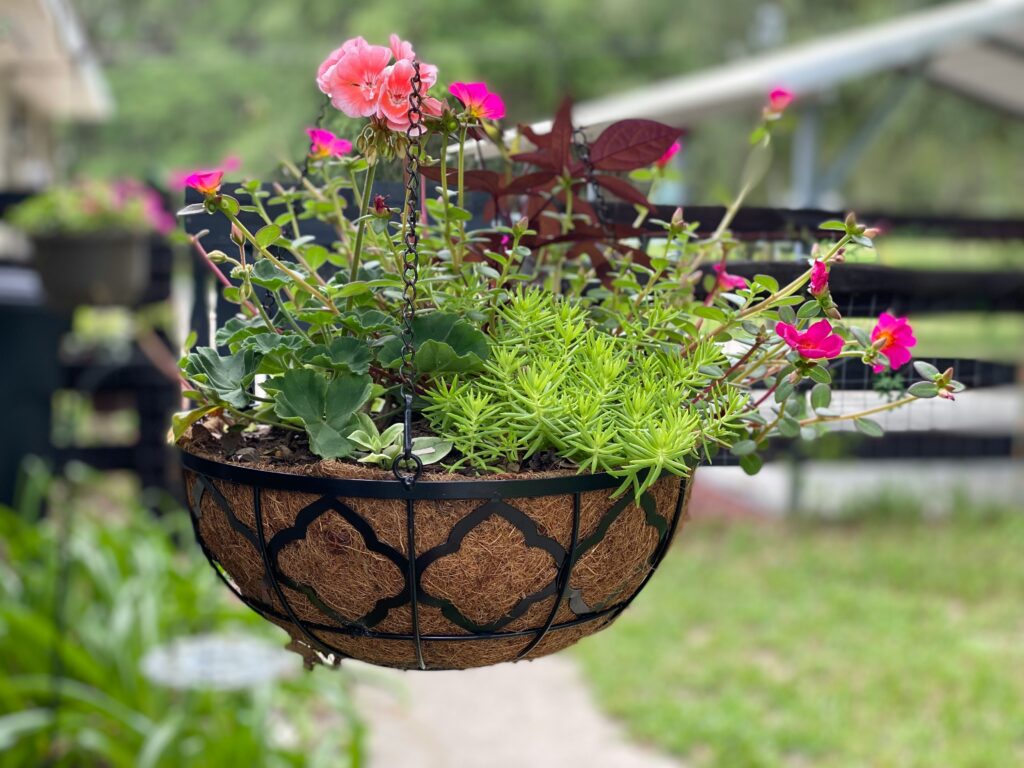
Another option is plastic hanging baskets, which often come with drip saucers attached. These are very convenient, cost-effective, and a practical choice for beginners. Terracotta planters are also available, but they tend to be heavier compared to others. Whatever planter you choose, ensure that it is supported by a strong rope or chain from a hook.
Baskets are available in a variety of materials and shapes. My personal choice is a traditional cage or wired basket with a lining. These metal cages need to be lined with moss or coir, as they provide better air circulation around the plant roots, allow easy drainage, and prevent waterlogging. They also give a unique look to your garden.
3. Potting Mix
Always prefer a lightweight potting mix. Based on my personal experience, the following potting mix works well for my hanging plants.
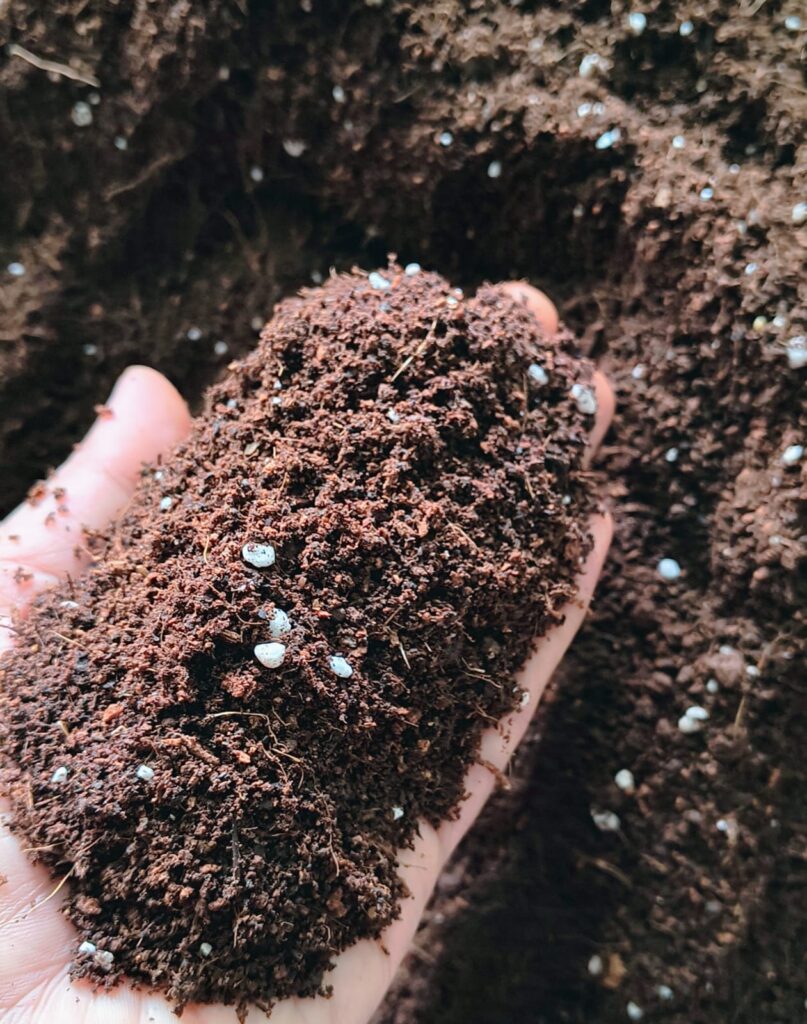
Lightweight Potting Mix :Use 20% soil, 40% coco-peat, and 40% vermi-compost to create a lightweight potting mix. You can also add perlite to improve soil aeration.
Soilless Potting Mix :As a beginner, the best choice is to use a soilless potting mix, which is lightweight and rich in nutrients. You can make it yourself using coco-peat, compost, perlite, neem cake, or purchase a ready-made potting mix available locally or online.
4.Best Plants for Hanging Baskets
You can choose a variety of plants depending on your preferences and growing conditions. If you have 5 to 6 hours of sunlight, perennials with colorful foliage, succulents, flowering plants, and edible plants will thrive well. If you do not have enough light, opt for low-light, low-maintenance hardy plants. As a beginner, my suggestion is to start with hardy plants that are low maintenance, easy to care for, and tolerant of various conditions. You can find a list of suitable plants at the end of this article.
FAQ
How to Make a Hanging Basket Bushy ?
- To promote a bushy appearance in your hanging basket, be sure to prune and deadhead your plants at regular intervals, especially the trailing varieties. This encourages the production of more side shoots, making the plants fuller.
- Additionally, remove any spent flowers to encourage fresh blooms. You can also replant cuttings back into the same hanging basket to enhance its fullness from all angles.
- Hanging basket plants often grow unevenly as they tend to lean toward the light source. By rotating the basket periodically, you can ensure that the plants receive light from all sides, which promotes healthy growth and creates a balanced, fuller appearance.
When to Water Hanging Baskets?
Hanging plants dry out much faster than potted plants, especially during the summer months. This is due to several factors:
- Their elevated position exposes them to more sunlight and airflow from all sides, including the bottom.
- Typically, a light potting mix or soilless potting mixture is used in hanging baskets, which can dry out quickly. The smaller volume of potting mix also leads to quicker evaporation.
Therefore, it’s essential to water your plants regularly. Adjust your watering schedule according to the weather and the specific needs of your plants. In summer, they may require daily watering, whereas in rainy or winter months, watering may not be necessary every day.
How Frequently to Feed Your Hanging Basket ?
Hardy plants do not require frequent fertilization. However, if you are growing flowering plants or vegetables, it’s advisable to feed them regularly, at least once a month, to ensure robust growth and blooming.
Where to Hang Your Hanging Basket?
- Hang your basket at a height that allows you to easily reach it for watering and maintenance.
- Avoid placing your basket in windy areas, as strong winds can damage your plants and cause them to dry out quickly. Choose a location with less wind.
- Consider the light requirements of your plants when choosing a spot for your baskets. Flowering plants, vegetable plants, and succulents need full sunlight, while many indoor plants, like Pothos, prefer bright to indirect light. Some plants can also tolerate low light conditions.
Best plant for hanging basket
Sun loving Hanging plants:
A. Flowering plant / color foliage plants:
- Portulaca 9 o’clock / Moss Rose.
- Portulaca 10 o’clock.
- Petunia.
- Pansy F1 Swiss Giant.
- Coleus Plants.
- Wandering Jaw.
- Caladium.
- Wishbone Flower.
- Pentas Carnea.
- Verbena Plants.
B .Succulents
- Baby Sun Rose.
- Christmas Cactus.
- Fishbone Cactus.
- String of Pearl.
- Sedum Burrito.
C.Edible plants for hanging basket
- Cherry Tomatoes.
- Mint.
- Strawberries.
- Lettuces.
- Betel (Maghai Pan).
Low maintenance hardy hanging plants for beginners:
1.All types of Pothos (Money Plant)
2. Spider plant.
3.Boston Fern.
4.Tangled Heart.
5. Baby’s Tear Plant (Soleirolia Soleirolii).
6. Philodendron Ceylon.
7. Swiss Cheese Plant (Monstera adansonii).
8. Rhoeo.
9. Asparagus Densiflorus (Foxtail Fern).
10.Jade Plant.