
In the heart of the urban concrete jungle, a small garden transformed your window/ home into serene oasis. offering a refreshing escape from the noisy world outside. But many people consider gardening a rewarding yet challenging task, as they believe nurturing plants requires a significant investment of time and care. However, with some simple tips, you can discover the joy of nurturing plants, regardless of your experience level.
This article serves as your ultimate guide to crafting a stunning low-maintenance indoor garden perfect for beginners eager to bring a touch of nature indoors. Let’s grow together!
Table of Contents
Plan your space | Light Requirement | Choose your plants
Preparing Container | Watering techniques | Plant Routine Care and Maintenance | List of Plants
Plan your space
Every time you encounter a beautiful plant, it’s nearly impossible to resist the urge to bring it home.This is one of the most common mistakes people make: neglecting to choose the right spot for their plants. It’s essential to consider where you’ll place them. The right location can make all the difference in helping your plants thrive! So, the initial step is to choose a location base on availability and comfort. If you have limited floor space, consider options like vertical gardens, hanging baskets, multi-tier plant stands, or railing planters.
**Tip** Be sure to check your building’s rules and guidelines regarding balconies, as some housing complexes have strict regulations about planting.
Light Requirement
One of the important factors that affect the growth of the plant is light. After selecting the perfect location it’s essential to determine whether there is enough sunlight available or not because that decide which plant you have to choose.
**Tip** Do not place indoor plants too close to the light source since the heat may damage them.
Choose your plants
1.If your selected area is having enough sunlight you can go for the plants which thrive in direct sunlight. Generally, most of flowering plant and vegetables need 6 – hours of sunlight to thrive and blooms. If you have indirect light or low light then go for the indoor plants which can tolerate low light condition. Refer the plant list at the end of the article.
**Tip to success**: Start small, begin with two three plants. Observe then, learn their needs and pay attention to your plant’s response to the care. As you gain experience you can add a few more plants, slowly you will able to create beautiful garden.
2. choice healthy, undamaged sapling with strong root system, plant should look sturdy and free from pest and diseases. Select the sapling with evenly distributed branches close to ground level. Avoid plants with dropping and yellowing leaves.
** TIP** Many make mistake of selecting a wrong sapling, when you visit nursery, you always get attracted to the fully bloomed saplings, However, this can be the result of accelerated growth due to the use of plant growth regulators (PGRS). To avoid this issue, it’s best to choose saplings from trusted nurseries.
Preparing container
How to Choose a container
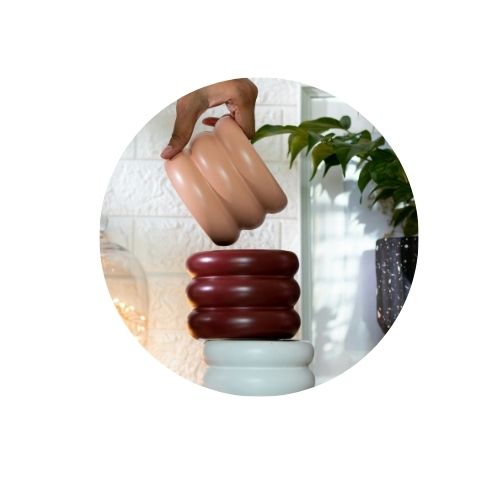
Selecting the right container is an important step. container comes with variety of material plastic, ceramic, metal, terracotta, cement etc.You can make creative DIY planter from old buckets , bottles , color containers etc . you can choose any shape and material of container that blends well with your décor. My personal preference is terracotta. Here are few points to consider when selecting a container.
- Ensure container has a proper drainage hole to prevent waterlogging.
- Size of Container : choose the container that has a diameter of between one sixth and one quarter of the plant’s height and depth of at least one and a half times the plants root ball. This will ensure good reserve of moisture, provides a fairly even soil temperature, and allows space for the roots to develop.
- If you are reusing the container, make sure it is thoroughly clean and disinfected to prevent the spread of pests from previous use.
Potting mix
Indoor plants thrive in well drain, well -aerated and nutrient rich potting soil mix. you can purchase ready -made potting soil mix online or buy from local shops. As a beginner it is advisable to use ready potting soil mix.
Tools &Accessories
As beginner you need some basic tools handy which makes gardening easier.
- Hand trowel .
- Gardening fork.
- A pair of purning shears
- Hand gloves
- Water can and spray bottle
Planting
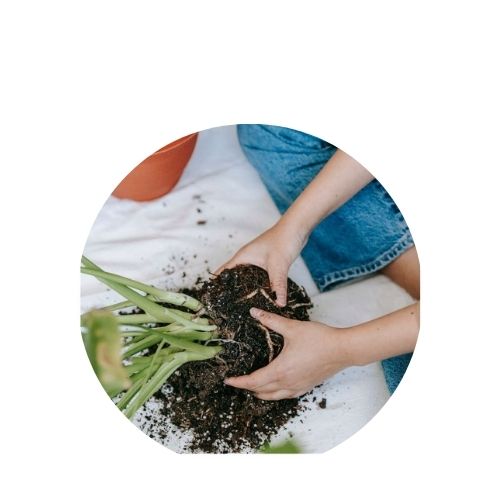
A. Start by covering all drainage holes with broken crocks and add a layer at least 1 inch deep of broken crocks or gravel to enhance drainage.
B. Gently loosen the soil around the root ball without disturbing the roots too much. Add potting soil mix and place your sapling on the potting soil mix. Fill in around the sapling with more potting soil mix, ensuring that potting soil mix level is at least 4 cm below the rim of the container to allow room for mulching and watering. water the plant immediately after transplanting.
**Tip** 1. Water the plant before transplanting to keep the root ball moist, which reduce the chance of root damage. 2. Avoid transplanting during full moon time; instead, transplant in the evening or when there is less exposure to sunlight. 3. After purchasing a plant, keep it at home for at least a week before transplanting to avoid transplant shock. Nursery plants are grown in a controlled environment, and the transition to a different environment can be stressful for them.
Watering techniques
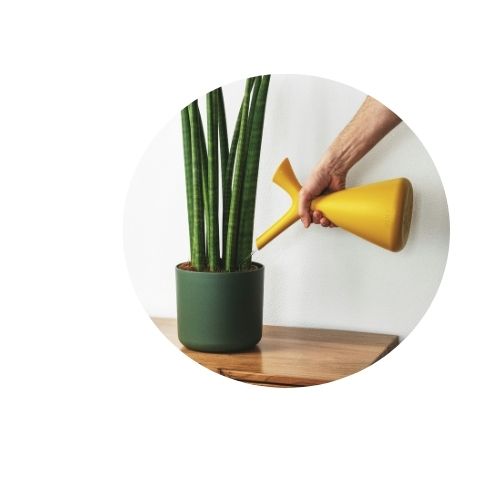
1. Common issue in care for indoor plants is overwatering. Before watering, check the moisture level of the soil by sticking your figure into it. If the top inch of soil feels dry, then it’s time to water or you can also use soil moisture meter to check the moisture level.
2. Water the plant at the plant base. Avoid getting water on the leaves.
3. The Best time to Water the plant is in the morning when temperatures are usually cooler. This allows the plant to absorb the necessary moisture before it gets too hot, as intense heat cause evaporation. If morning watering isn’t possible, late afternoon is acceptable, but avoid watering at night, as the soil and leaves will remain wet for an extended period without sunlight, increasing the risk of fungal and bacterial growth.
Plant Routine Care and Maintenance
Pruning and Cleanliness
- . Make it habit to remove any dead flowers, leaves, and stems regularly. This simple step helps keep pesky pests and diseases away ,allowing your plants to grow healthy and strong .
- Clean the leaves regularly to prevent dust from building up and blocking the leaf pores. You can gently spray the plant with water Occasionally (just skip this for cacti and fuzzy leaves plants) or wipe the leaves with a damp cloth. You can also dust them with a soft brush.
Fertilizing
Just like us , potted plants need their nutrients ! since they grow in smaller containers , they can quickly use up the food in their soil . frequent watering can wash nutrients away too . you will find a variety of fertilizers both liquid and water -soluble , to give your plant that extra boost they need .
**Tip** Always make sure the soil is damp before fertilizing and avoid doing it when your plant is in its dormant phase .
Time to Repot
If your plant has outgrown its pot, formed dense roots at the bottom, fails to thrive, or if salt and minerals have built up on the top layer of the soil, or if water runs clean through the pot, it is time to repot.
**Note ** The best time to repot is at the beginning of the growing season; Just remember not to do it while your plant is in its dormant phase.
List of Plants
Top 10 low light low maintenance houseplants for beginners
- Peace lily
- ZZ plant.
- Snake Plant
- Spider plant
- Money plant (Pothos)
- Philodendron
- Arrowhead plant (Syngonium)
- Rubber Plant
- Fern
- Dragon tree (Dracaena marginata)
Low maintenance flowering plant (require sunlight to bloom) for beginners
- Gokarna (Clitoria Ternatea)
- Hydrangea
- 9 ‘ o clock (Portulaca)
- Hibiscus
- Bougainvillea
- Vinca
- Thubergia
- Bleeding heart vine
- Firecracker ( Abuli)
- Geranium